
Hamster Age & Lifespan Calculator
Discover your hamster’s true age in human years, estimate their life expectancy, and determine daily seed, pellet, and vegetable portions based on breed and weight. The ultimate small pet longevity and nutrition guide.
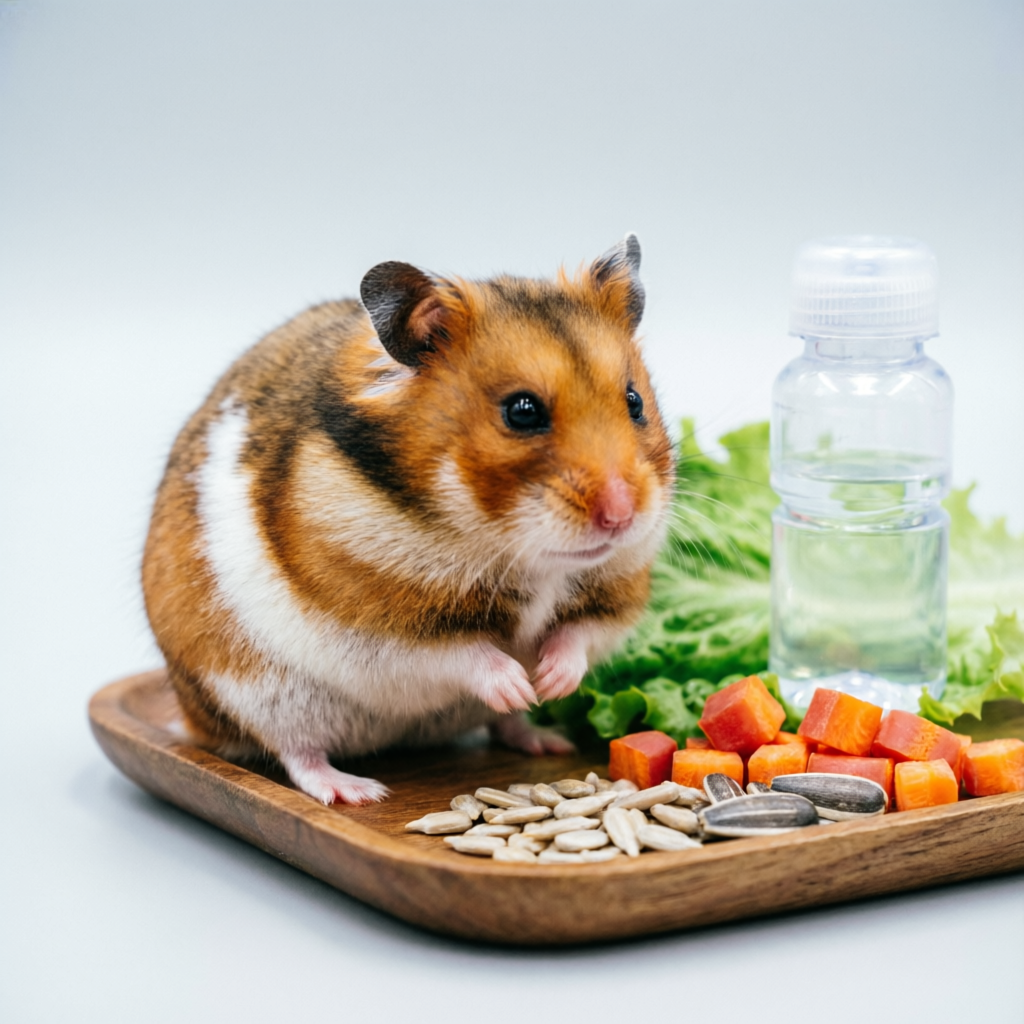
🐹 Hamster Lifespan, Feeding & Age Calculator

Dr. Amelia Vance, DVM
Dr. Amelia Vance is a board-certified exotic animal veterinarian with over 15 years of dedicated experience in small mammal medicine and nutrition. She has published extensively on rodent gastrointestinal health, dental disease prevention, and evidence-based dietary protocols for hamsters, gerbils, and mice. Dr. Vance is a passionate advocate for extending the lifespan and improving the quality of life for pocket pets through proper diet, environment, and preventive care. She currently leads the Exotic Small Animal Nutrition Research Group and consults for major small mammal welfare organizations worldwide.
Hamster Age Calculator: The Ultimate Guide to Hamster Longevity & Nutrition
Understanding your hamster’s true age, estimating their life expectancy, and providing optimal nutrition are fundamental to ensuring a long, healthy, and happy life for your beloved pocket pet. Our comprehensive Hamster Age in Human Years, Lifespan, and Feeding Calculator helps you determine exactly how old your hamster is in human terms, estimate their potential lifespan based on breed and care, and calculate the precise daily portions of pellets, seeds, and fresh vegetables required based on weight, breed type, and life stage. Proper nutrition and proactive care prevent life-threatening conditions such as wet tail, diabetes (especially in dwarf hamsters), and obesity, which are among the leading causes of premature death in domestic hamsters. For additional tools and resources, visit Pet Calculator Hub and Smart Life Calculators.
Understanding Hamster Lifespan: How Long Do Hamsters Live?
The lifespan of a domestic hamster varies significantly depending on breed, genetics, diet, environment, and the quality of veterinary care they receive. On average, domestic hamsters live between 1.5 and 3 years, though some individuals have been documented to live slightly longer. The current Guinness World Record for the oldest hamster is just under 4.5 years, though such extreme longevity is exceptionally rare.
Lifespan by Breed
Breed is one of the most significant predictors of hamster longevity. Different species have evolved with different metabolic rates and lifespans.
- Syrian Hamsters (Golden, Teddy Bear): 2-3 years (24-36 months). Syrian hamsters are the largest and most common pet hamsters. They generally have the longest lifespan among pet hamsters and are solitary by nature.
- Roborovski Hamsters: 1.5-2 years (18-24 months). The smallest and fastest of the pet hamsters, Roborovskis are known for their high energy but slightly shorter lifespan.
- Campbell’s Dwarf Hamsters: 1.5-2 years (18-24 months). Prone to diabetes, requiring careful dietary management to maximize lifespan.
- Winter White Dwarf Hamsters: 1.5-2 years (18-24 months). Similar to Campbell’s but slightly less prone to diabetes. Can change coat color in winter.
- Chinese Hamsters: 2-3 years (24-36 months). Technically not true dwarfs, they have a longer, more rat-like body and a lifespan comparable to Syrians.
Hamster Age in Human Years: The Conversion Science
One of the most common questions hamster owners ask is, “How old is my hamster in human years?” Hamsters age at an extraordinarily rapid rate compared to humans and even other pets. The aging process is highly non-linear; hamsters mature incredibly quickly during their first few months of life, reaching full adulthood by just 3-4 months of age. Understanding this conversion helps owners anticipate age-related health issues and adjust care routines accordingly.
The Science of Hamster Aging
Hamsters are considered mature adults by the time they reach 3-4 months of age. The first month of a hamster’s life is equivalent to approximately 1.5 to 2 human years. By the time a hamster reaches 6 months, it has aged the equivalent of a 15-year-old human teenager. After the first year, the aging process continues at a steady but slower pace, with each subsequent hamster month adding approximately 1.5 to 2 human years.
Because hamsters have such short lifespans, every month counts. A 2-year-old Syrian hamster is roughly equivalent to a 45-year-old human, and a 3-year-old hamster is comparable to a 65-70-year-old human. Senior hamsters, typically those over 18 months of age, require more frequent monitoring for age-related conditions such as tumors, kidney disease, and arthritis.
Hamster Age to Human Years Conversion Chart
Here is a detailed breakdown of how hamster months translate to human years:
- 1 Month: ~2 Human Years (Weaning, early development)
- 3 Months: ~8 Human Years (Full maturity reached)
- 6 Months: ~15 Human Years (Peak physical condition)
- 12 Months (1 year): ~25 Human Years (Prime adulthood)
- 18 Months (1.5 years): ~35 Human Years (Middle age begins)
- 24 Months (2 years): ~45 Human Years (Senior status for Syrians)
- 30 Months (2.5 years): ~55 Human Years (Geriatric)
- 36 Months (3 years): ~65 Human Years (Very old, rare)
Senior hamsters, typically those over 18 months of age (equivalent to 35+ human years), require more frequent veterinary check-ups, softer foods if dental issues arise, and careful monitoring for age-related conditions such as tumors, cataracts, and kidney disease.
Factors That Influence Hamster Lifespan
While genetics and breed set the baseline, numerous environmental and lifestyle factors can significantly extend or reduce a hamster’s life expectancy. Understanding these factors empowers owners to make choices that maximize their pet’s longevity.
1. Diet and Nutrition
Nutrition is the single most controllable factor affecting hamster lifespan. A balanced diet of high-quality hamster pellets or seed mix, supplemented with fresh vegetables and occasional protein (mealworms, boiled egg white), supports overall health. Diets high in sugar (especially for dwarf hamsters) lead to diabetes, while diets high in fat lead to obesity and fatty liver disease. Hamsters fed a proper, balanced diet consistently outlive those fed exclusively sugary treats or inappropriate human foods.
2. Housing and Environment
Hamsters require surprisingly large enclosures to thrive. The minimum recommended floor space is 450-600 square inches (though larger is always better). Small cages lead to stress, bar chewing, and stereotypic behaviors that shorten lifespan. A deep layer of paper-based or aspen bedding (6+ inches) allows for natural burrowing, which is essential for mental health. Avoid cedar and pine shavings, as the aromatic oils can cause respiratory issues.
3. Exercise and Enrichment
Hamsters are highly active animals that can run up to 5-8 miles per night in the wild. A properly sized solid-surface exercise wheel (8-12 inches diameter to prevent back injury) is absolutely essential. Without adequate exercise, hamsters quickly become obese and develop associated health problems. Additional enrichment such as chew toys, tunnels, and foraging opportunities prevents boredom and stress.
4. Veterinary Care
Hamsters are prey animals and instinctively hide signs of illness. By the time symptoms are visible, the condition may be advanced and difficult to treat. Regular check-ups with an exotic animal veterinarian allow for early detection of dental issues, tumors, and other conditions. Because of their short lifespan, any sign of illness should be treated as an emergency.
5. Stress and Handling
Hamsters are easily stressed by loud noises, sudden movements, and improper handling. Chronic stress suppresses the immune system and can lead to conditions like wet tail (proliferative ileitis), which is often fatal, especially in young dwarf hamsters. Gentle, consistent handling from a young age helps build trust and reduces stress levels.
How Much to Feed Your Hamster: The Complete Nutritional Guide
Proper nutrition is the cornerstone of hamster health and longevity. A well-balanced diet supports digestive health, maintains dental wear, and prevents obesity. The following guidelines provide a comprehensive framework for feeding hamsters at every life stage.
- Pellets/Seed Mix (daily): 1-2 tablespoons per day. Choose a high-quality lab block or pellet mix to prevent selective feeding. Seed mixes should be limited as hamsters will pick out fatty seeds.
- Leafy Greens & Veggies: 1-2 teaspoons per day. Rotate varieties for nutritional balance. Remove uneaten fresh food within 24 hours to prevent spoilage.
- Protein (1-2x/week): Small piece of boiled egg white, mealworm, or plain cooked chicken. Essential for growing and nursing hamsters.
- Treats (seeds/nuts/fruit): 1-2 small pieces per week. High fat and sugar content requires strict limitation, especially for dwarf breeds prone to diabetes.
- Water: 10-15 ml per 100g body weight daily, fresh and changed daily. Use a drip-proof water bottle or small heavy ceramic bowl.
The Critical Role of Foraging and Natural Behaviors
In the wild, hamsters spend the majority of their waking hours foraging for food. This natural behavior is essential for their mental and physical health. In captivity, providing food in a bowl eliminates this crucial activity, leading to boredom and obesity. Scatter feeding—hiding small portions of food throughout the enclosure—encourages natural foraging behaviors, provides mental stimulation, and helps maintain a healthy weight.
Feeding by Life Stage: A Detailed Breakdown
Hamsters have vastly different nutritional requirements depending on their age and developmental stage. Understanding these differences is crucial for preventing nutritional deficiencies and excesses.
Baby Hamsters (0-4 weeks)
During the first 2-3 weeks of life, baby hamsters (pups) rely entirely on their mother’s milk. They begin nibbling on solid food around 10-14 days of age. Provide the mother with high-protein food (boiled egg white, mealworms) to support milk production. Pups should not be separated from their mother until they are fully weaned at 3-4 weeks of age. Syrian hamsters must be separated by 4 weeks to prevent fighting and breeding.
Young Hamsters (1-4 months)
This is a rapid growth phase. Young hamsters require higher levels of protein (15-20%) and fat (5-7%) to support development. Provide unlimited access to high-quality hamster pellets or a balanced seed mix. Fresh vegetables can be introduced gradually in small amounts. This is also the ideal time to begin gentle handling to build trust and socialization.
Adult Hamsters (4-18 months)
Adult hamsters require a maintenance diet centered around high-quality pellets or a balanced seed mix, supplemented with small amounts of fresh vegetables and occasional protein. Pellets should be limited to 1-2 tablespoons per day to prevent obesity. Fresh vegetables should make up about 10% of the diet. Treats, including fruits, seeds, and nuts, should be given sparingly, no more than 1-2 small pieces per week. Dwarf hamsters should avoid sugary fruits entirely due to diabetes risk.
Senior Hamsters (18+ months)
Senior hamsters often experience a decrease in mobility and may have difficulty chewing hard foods. Their diet should remain balanced, but pellets may need to be softened with water or replaced with softer alternatives. Protein requirements may increase slightly to prevent muscle loss. Joint supplements are not commonly used in hamsters, but providing ramps and low-entry hideouts helps arthritic hamsters. Regular veterinary check-ups are crucial for early detection of age-related diseases, particularly tumors.
Vegetables and Fruits: What’s Safe and What’s Toxic
Fresh vegetables are an important source of vitamins and minerals for hamsters, but not all vegetables are safe. Leafy greens should form the bulk of the vegetable portion of the diet.
Safe Vegetables (Daily Rotation)
- Broccoli & Cauliflower: Excellent source of vitamins, but feed in small amounts to prevent gas.
- Carrots: High in vitamin A, but feed sparingly due to sugar content (especially for dwarfs).
- Cucumber: High water content, excellent for hydration, but offers minimal nutrition.
- Spinach & Kale: Nutrient-dense but high in calcium and oxalates. Limit to 1-2 times per week.
- Bell Peppers: High in vitamin C, safe in small amounts.
- Sweet Potato (cooked): Safe in tiny amounts, never feed raw.
Safe Fruits (Occasional Treats Only)
- Apples: Safe in tiny pieces, but NEVER feed the seeds (contain cyanide).
- Bananas: High in potassium, but very high in sugar. Tiny piece once a week max.
- Berries (strawberries, blueberries): Antioxidant-rich, but limit due to sugar content.
- Melon: Hydrating but sugary. Tiny piece occasionally.
Toxic and Dangerous Foods
Certain foods are highly toxic to hamsters and must be strictly avoided:
- Onions, Garlic, and Chives: Can cause hemolytic anemia and digestive upset.
- Raw Potatoes and Potato Eyes: Contain solanine, which is toxic to hamsters.
- Almonds (bitter): Contain cyanide compounds. Sweet almonds are safer but still high in fat.
- Apple Seeds and Fruit Pits: Contain cyanide compounds.
- Chocolate and Caffeine: Highly toxic, can cause seizures and death.
- Citrus Fruits: Too acidic, can cause digestive upset.
- Rhubarb: Contains oxalic acid, which is toxic to hamsters.
- Junk Food, Candy, and Processed Foods: Hamsters cannot digest sugar, salt, and artificial ingredients; these can be fatal.
Understanding Pellets vs. Seed Mixes
The debate between pellets and seed mixes is ongoing in the hamster community. Pellets (lab blocks) provide complete, balanced nutrition and prevent selective feeding, but can be boring for hamsters. Seed mixes provide enrichment and mimic natural foraging, but hamsters will often pick out fatty sunflower seeds and leave the nutritious components, leading to nutritional imbalances and obesity.
The best approach is a combination: use a high-quality pellet or lab block as the base diet (70-80%), and supplement with a small amount of seed mix or fresh foods for enrichment. Always choose mixes specifically formulated for hamsters, not generic “rodent” mixes.
Hydration: The Importance of Fresh Water
Hamsters require constant access to fresh, clean water. An average-sized hamster drinks approximately 10-15 ml of water per 100g of body weight daily. Water intake increases with higher fiber consumption, hot weather, and during lactation. Both drip-proof water bottles and small heavy ceramic bowls are acceptable, though bottles are generally preferred to prevent bedding from getting wet. Water should be changed daily, and bottles should be checked regularly for blockages. Dehydration can quickly lead to kidney failure, making water availability a critical component of hamster care.
Common Health Issues Related to Diet and Age
Improper nutrition is the leading cause of health problems in domestic hamsters. Understanding these conditions can help owners prevent them through proper diet and care.
Wet Tail (Proliferative Ileitis)
Wet tail is a severe, often fatal bacterial infection of the intestinal tract, most common in young dwarf hamsters (3-10 weeks old). Symptoms include severe diarrhea, lethargy, loss of appetite, and a wet, matted tail area. Causes include stress, poor diet, and overcrowding. Immediate veterinary intervention with antibiotics and fluids is required. Prevention includes minimizing stress, proper hygiene, and a balanced diet.
Diabetes
Dwarf hamsters (particularly Campbell’s) are highly prone to diabetes. Symptoms include excessive drinking, frequent urination, weight loss despite increased appetite, and lethargy. Prevention involves strictly limiting sugary foods (fruits, carrots, sweet vegetables) and feeding a low-sugar, high-fiber diet. Regular monitoring of water consumption can help detect early signs.
Obesity
Obesity is increasingly common in pet hamsters, primarily due to overfeeding, excessive fatty seeds (sunflower seeds), and insufficient exercise. Obese hamsters are at higher risk for fatty liver disease, heart problems, and joint issues. Maintaining a healthy weight through proper diet and daily wheel exercise is essential for longevity.
Dental Problems
Hamster teeth grow continuously throughout their lives. A diet that includes hard pellets and chew toys is essential for wearing down teeth evenly. Malocclusion, where teeth do not align properly, can lead to overgrowth, difficulty eating, and painful abscesses. Symptoms include drooling, weight loss, and pawing at the mouth. Regular veterinary check-ups are crucial, and overgrown teeth may require trimming under anesthesia.
Environmental and Lifestyle Factors Affecting Hamster Longevity
While diet is crucial, other factors significantly impact a hamster’s lifespan and quality of life.
Proper Enclosure Size
Hamsters require surprisingly large enclosures to thrive. The absolute minimum recommended floor space is 450-600 square inches (though 800+ is ideal). Small cages lead to stress, bar chewing, and stereotypic behaviors that shorten lifespan. A deep layer of paper-based or aspen bedding (6+ inches) allows for natural burrowing, which is essential for mental health.
Exercise Wheel Requirements
A properly sized solid-surface exercise wheel is absolutely essential. The minimum diameter is 8 inches for dwarf hamsters and 10-12 inches for Syrian hamsters. Wheels that are too small cause painful back arching and spinal injuries. Never use wire or mesh wheels, as they can cause serious foot and leg injuries.
Solitary Nature
With the exception of Roborovski hamsters (which can sometimes be kept in same-sex pairs), all hamster species are strictly solitary and must be housed alone. Housing hamsters together leads to fighting, stress, injury, and often death. This is especially true for Syrian hamsters, which will fight to the death if housed together after weaning.
How to Use the Hamster Age and Feeding Calculator Effectively
Our calculator is designed to provide personalized recommendations based on your hamster’s specific characteristics. To get the most accurate results:
- Accurate Weight: Weigh your hamster regularly using a digital kitchen scale. Even small weight changes can indicate health issues.
- Correct Breed Type: Select the appropriate breed category (Dwarf or Syrian). If unsure, consult your veterinarian or breeder.
- Accurate Age: If you don’t know your hamster’s exact age, estimate based on size, behavior, and physical characteristics. Pet store hamsters are typically 4-8 weeks old.
- Life Stage: Choose the life stage that best matches your hamster’s current age and health status.
The calculator will provide specific recommendations for food portions, vegetable quantities, water intake, treat limits, and an estimated lifespan based on breed size. Use these as guidelines and adjust based on your hamster’s individual needs, activity level, and veterinary advice.
Frequently Asked Questions
Syrian hamsters typically live 2-3 years (24-36 months). Dwarf hamsters (Campbell’s, Winter White, Roborovski) typically live 1.5-2 years (18-24 months). With exceptional care, some hamsters may live slightly longer, but this is rare.
1-2 tablespoons of high-quality hamster pellets or seed mix per day, supplemented with 1-2 teaspoons of fresh vegetables. Remove uneaten fresh food within 24 hours to prevent spoilage and mold growth.
No — carrots are high in sugar and should be treated as an occasional treat only (tiny piece 1-2x/week). This is especially important for dwarf hamsters, which are prone to diabetes. Focus on leafy greens and low-sugar vegetables.
Broccoli, cauliflower, cucumber, bell peppers, and small amounts of spinach and kale are excellent options. Avoid onions, garlic, raw potatoes, and rhubarb. Always introduce new vegetables gradually.
Enter your hamster’s age in months, breed type (Dwarf or Syrian), weight in grams, and life stage. The calculator will provide exact food portions, vegetable quantities, water needs, convert hamster age to human years, and estimate their expected lifespan.
Hamsters are nocturnal and crepuscular, meaning they are most active at night and during dawn/dusk. Sleeping during the day is completely normal. However, if your hamster is difficult to wake, lethargic when awake, or showing other symptoms, consult a veterinarian immediately.
Hamsters should have a check-up when first acquired, and then annually if possible. However, because of their short lifespan, any sign of illness (lethargy, weight loss, wet tail, lumps, difficulty breathing) should be treated as an emergency requiring immediate veterinary attention.
Fruit should be given very sparingly as a treat due to high sugar content. Safe options include tiny pieces of apple (NO seeds), banana, berries, and melon. Limit to 1-2 tiny pieces per week. Dwarf hamsters should avoid fruit entirely due to diabetes risk.
NO. With the rare exception of Roborovski hamsters (which can sometimes be kept in same-sex pairs if introduced young), all hamster species are strictly solitary. Syrian hamsters will fight to the death if housed together. Housing hamsters together causes severe stress, injury, and often death.
The absolute minimum recommended floor space is 450-600 square inches (though 800+ square inches is ideal). The enclosure should also have at least 6 inches of deep bedding for natural burrowing behaviors. Small cages lead to stress, bar chewing, and shortened lifespan.
A wet tail is a sign of “wet tail” (proliferative ileitis), a severe and often fatal bacterial infection, most common in young dwarf hamsters. This is a medical emergency requiring immediate veterinary treatment with antibiotics and fluids. Do not attempt to treat this at home.
For authoritative hamster care guidelines and welfare information, visit ASPCA Hamster Care and PDSA Hamster Care. Always consult with a veterinarian who specializes in exotic animals for personalized advice regarding your hamster’s health and nutrition.