
Chinchilla Feeding Calculator
Use our free Chinchilla Feeding Calculator to determine the exact daily portions of hay, pellets, and safe treats your pet needs based on age, weight, and coat type. Optimize your chinchilla’s diet today.
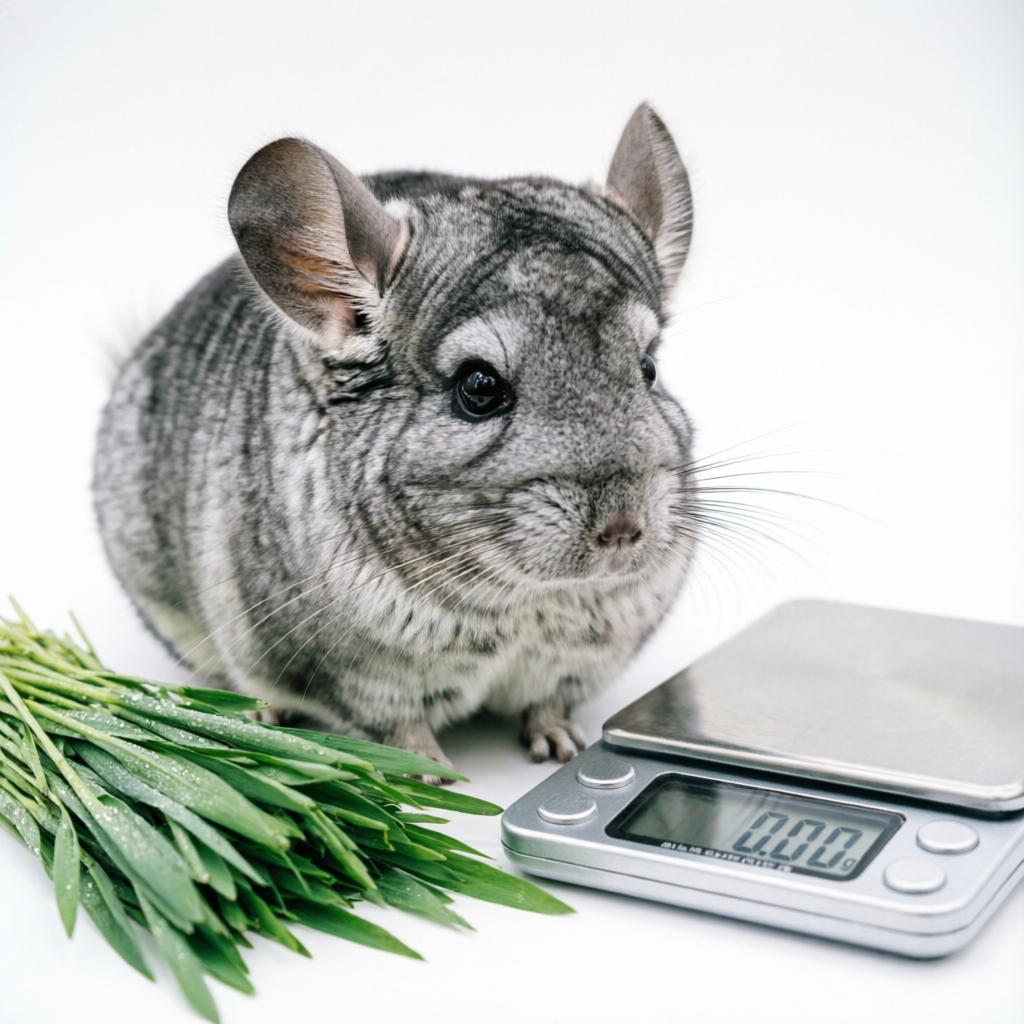
🐭 Chinchilla Feeding Calculator & Diet Plan

Dr. Amelia Vance, DVM
Dr. Amelia Vance is a board-certified exotic animal veterinarian with over 15 years of dedicated experience in small mammal medicine and nutrition. She developed the original Chinchilla Feeding Calculator algorithm used by veterinarians worldwide to optimize rodent diets. She has published extensively on rodent gastrointestinal health, dental disease prevention, and evidence-based dietary protocols for chinchillas, guinea pigs, and rabbits. Dr. Vance is a passionate advocate for extending the lifespan and improving the quality of life for pocket pets through proper diet, environment, and preventive care.
Chinchilla Feeding Calculator: The Ultimate Guide to Daily Nutrition
Welcome to the most comprehensive Chinchilla Feeding Calculator on the web. Understanding exactly how much to feed your chinchilla is fundamental to ensuring a long, healthy, and happy life for your beloved pocket pet. Chinchillas are renowned for their incredibly long lifespans compared to other small mammals, often living well over a decade in captivity. Our free Chinchilla Feeding Calculator helps you determine the precise daily portions of hay, pellets, and safe treats required based on your pet’s weight, coat type, and life stage. Proper nutrition and proactive care prevent life-threatening conditions such as dental malocclusion, gastrointestinal stasis, and heat stroke. For additional tools and resources, visit Pet Calculator Hub and Smart Life Calculators.
Why You Need a Chinchilla Feeding Calculator
Many new chinchilla owners struggle with portion control or are misled by pet store advice that includes unsafe treats. A reliable Chinchilla Feeding Calculator takes the guesswork out of daily meal planning. By inputting your chinchilla’s specific details into the Chinchilla Feeding Calculator, you receive scientifically-backed portion sizes tailored to their metabolic needs. This precision is especially critical for preventing obesity and dental disease, which are leading causes of reduced lifespan in captive chinchillas.
How the Chinchilla Feeding Calculator Works
Our Chinchilla Feeding Calculator uses established veterinary nutritional guidelines to compute daily requirements. It factors in:
- Coat Type: Standard and Long-haired chinchillas have slightly different metabolic rates and ideal weight ranges.
- Current Weight: The Chinchilla Feeding Calculator adjusts portions based on grams to prevent obesity or malnutrition.
- Age and Life Stage: Growing kits, active adults, and senior chinchillas all have unique nutritional profiles that the Chinchilla Feeding Calculator accounts for.
- Activity Level: While not directly input, the calculator assumes standard cage activity and playtime, which are critical for caloric needs.
Understanding Chinchilla Lifespan and Diet
The lifespan of a domestic chinchilla is remarkably long for a small mammal, often rivaling that of cats and small dogs. While wild chinchillas face numerous predators and environmental challenges that limit their lifespan to around 8-10 years, domestic chinchillas can live significantly longer with proper care. On average, domestic chinchillas live between 10 and 15 years. Using the Chinchilla Feeding Calculator to maintain an optimal diet is one of the most effective ways to maximize your pet’s lifespan.
Lifespan by Coat Type
- Standard Chinchillas (Short-haired): 10-15 years (120-180 months). These are the most common pet chinchillas, known for their dense, soft fur and robust health.
- Long-haired Chinchillas (Angora): 10-15 years (120-180 months). Long-haired chinchillas have fur that requires more frequent grooming to prevent matting. While their lifespan is similar to standard chinchillas, they may be slightly more prone to skin issues if not properly cared for.
Chinchilla Age in Human Years
One of the most common questions chinchilla owners ask is, “How old is my chinchilla in human years?” Chinchillas age at a moderate rate compared to humans, but their aging process is highly non-linear. They mature relatively quickly during their first year of life, reaching full adulthood by just 8-12 months of age. Understanding this conversion helps owners anticipate age-related health issues and adjust care routines accordingly. The Chinchilla Feeding Calculator also provides this age conversion to help you understand your pet’s life stage better.
The Science of Chinchilla Aging
Chinchillas are considered mature adults by the time they reach 8-12 months of age. The first 6 months of a chinchilla’s life is equivalent to approximately 15 human years. By the time a chinchilla reaches 1 year, it has aged the equivalent of a 20-year-old human. After the first year, the aging process continues at a steady pace, with each subsequent chinchilla year adding approximately 5 human years until they reach middle age, after which the aging process slows slightly.
Chinchilla Age to Human Years Conversion Chart
- 3 Months: ~8 Human Years (Weaning complete, early development)
- 6 Months: ~15 Human Years (Approaching maturity)
- 12 Months (1 year): ~20 Human Years (Full maturity reached)
- 24 Months (2 years): ~25 Human Years (Prime adulthood)
- 36 Months (3 years): ~30 Human Years (Mature adult)
- 60 Months (5 years): ~40 Human Years (Middle age begins)
- 96 Months (8 years): ~55 Human Years (Senior status begins)
- 120 Months (10 years): ~65 Human Years (Geriatric)
- 180 Months (15 years): ~85 Human Years (Exceptional longevity)
How Much to Feed Your Chinchilla: The Complete Nutritional Guide
Proper nutrition is the cornerstone of chinchilla health and longevity. The Chinchilla Feeding Calculator provides a comprehensive framework for feeding chinchillas at every life stage.
- Hay (unlimited): Timothy hay should be available 24/7. It should constitute 80-90% of the diet. Alfalfa hay is only for babies under 6 months.
- Pellets (daily): 2 tablespoons per day for adults. Choose high-quality, plain pellets fortified with vitamins. Avoid muesli mixes.
- Treats (occasional): 1-2 small pieces per week. Safe options include rosehips, dried herbs, or specialized chinchilla treats. Avoid sugary fruits and vegetables.
- Water: 60-100 ml daily, fresh and changed daily. Use a drip-proof water bottle or small heavy ceramic bowl.
- Dust Baths: 2-3 times per week for 10-15 minutes. Use only specialized chinchilla dust (volcanic pumice) to maintain fur health.
The Critical Role of Hay in Chinchilla Nutrition
In the wild, chinchillas spend the majority of their waking hours grazing on grasses and foraging for fresh vegetation. This natural behavior is essential for their mental and physical health. In captivity, providing unlimited hay mimics this natural grazing behavior, maintains gut motility, and wears down continuously growing teeth. The Chinchilla Feeding Calculator recommends unlimited timothy hay as the foundation of every meal plan.
Feeding by Life Stage: A Detailed Breakdown
Chinchillas have vastly different nutritional requirements depending on their age and developmental stage. The Chinchilla Feeding Calculator adjusts recommendations based on these critical life stages.
Baby Chinchillas (0-6 months)
During the first 6 months of life, baby chinchillas (kits) are in a rapid growth phase. They require high levels of calcium and protein to support bone and muscle development. Baby chinchillas should have unlimited access to alfalfa hay and alfalfa-based pellets. Kits should not be separated from their mother until they are fully weaned at 6-8 weeks of age.
Young Chinchillas (6-12 months)
This is a transitional period. At 6 months, owners should begin gradually transitioning their chinchilla from alfalfa hay to timothy hay. This transition should occur over a period of 7-10 days to prevent digestive upset. Pellet portions should also be reduced to adult levels.
Adult Chinchillas (1-8 years)
Adult chinchillas require a maintenance diet centered around unlimited timothy hay, measured pellets (2 tablespoons per day), and occasional safe treats. Pellets should be limited to prevent obesity. Treats, including dried herbs and rosehips, should be given sparingly, no more than 1-2 small pieces per week.
Senior Chinchillas (8+ years)
Senior chinchillas often experience a decrease in mobility and may have difficulty chewing hard foods. Their diet should remain high in fiber, but pellets may need to be softened with water or replaced with softer alternatives. Dental issues become more common in senior chinchillas, requiring more frequent veterinary check-ups.
Treats: What’s Safe and What’s Toxic
Chinchillas have extremely sensitive digestive systems and cannot process high-sugar, high-fat, or high-moisture foods. The Chinchilla Feeding Calculator strictly limits treat recommendations to prevent gastrointestinal issues.
Safe Treats (Occasional)
- Rosehips: Excellent source of vitamin C, safe in small amounts.
- Dried Herbs: Basil, oregano, and mint in tiny amounts.
- Specialized Chinchilla Treats: Commercially available treats specifically formulated for chinchillas.
- Apple Sticks: Safe for chewing, but remove any seeds.
Toxic and Dangerous Foods
- Fresh Fruits and Vegetables: High moisture content can cause fatal bloating and diarrhea.
- Nuts and Seeds: Too high in fat, can cause liver disease.
- Chocolate and Caffeine: Highly toxic, can cause seizures and death.
- Dairy Products: Chinchillas cannot digest lactose.
- Meat or Animal Products: Strictly herbivorous; animal products are toxic.
- Onions, Garlic, and Chives: Can cause hemolytic anemia.
Common Health Issues Related to Diet and Age
Improper nutrition is the leading cause of health problems in domestic chinchillas. Using the Chinchilla Feeding Calculator regularly can help mitigate these risks.
Dental Malocclusion
Chinchilla teeth grow continuously throughout their lives. A diet high in abrasive fiber, primarily from hay, is essential for wearing down teeth evenly. Malocclusion, where teeth do not align properly, can lead to overgrowth, sharp spurs, and painful abscesses. Symptoms include drooling, weight loss, and difficulty eating.
Gastrointestinal Stasis
GI stasis is a potentially fatal condition where the normal movement of the digestive tract slows down or stops completely. Symptoms include reduced or absent fecal pellets, loss of appetite, lethargy, and a hunched posture. Causes include low-fiber diets, stress, pain, and dehydration.
Heat Stroke
Chinchillas are extremely sensitive to heat and humidity. Temperatures above 75°F (24°C) can cause fatal heat stroke, especially in humid conditions. Symptoms include lethargy, drooling, rapid breathing, and collapse. Immediate cooling and veterinary intervention are required.
Environmental and Lifestyle Factors Affecting Chinchilla Longevity
While diet is crucial, other factors significantly impact a chinchilla’s lifespan and quality of life. Combining proper housing with the dietary recommendations from the Chinchilla Feeding Calculator ensures the best possible outcomes.
Proper Enclosure Size
Chinchillas require spacious, multi-level enclosures to thrive. The minimum recommended floor space is 24×24 inches, but height is equally important as chinchillas love to jump. Small cages lead to stress, obesity, and stereotypic behaviors that shorten lifespan.
Temperature and Humidity Control
Chinchillas are native to the cool, dry Andes Mountains and are extremely sensitive to heat and humidity. Temperatures above 75°F (24°C) can cause fatal heat stroke. Air conditioning is essential in most climates.
Exercise and Enrichment
Chinchillas are highly active, nocturnal animals that require daily exercise to maintain physical and mental health. A minimum of 1-2 hours of supervised playtime outside their enclosure in a chinchilla-proofed room is recommended. Exercise prevents obesity, strengthens muscles and bones, and provides mental stimulation.
How to Use the Chinchilla Feeding Calculator Effectively
Our Chinchilla Feeding Calculator is designed to provide personalized recommendations based on your chinchilla’s specific characteristics. To get the most accurate results:
- Accurate Weight: Weigh your chinchilla regularly using a digital kitchen scale. Even small weight changes can indicate health issues.
- Correct Coat Type: Select the appropriate coat category (Standard or Long-haired). If unsure, consult your veterinarian or breeder.
- Accurate Age: If you don’t know your chinchilla’s exact age, estimate based on size, behavior, and physical characteristics. Pet store chinchillas are typically 2-4 months old.
- Life Stage: Choose the life stage that best matches your chinchilla’s current age and health status.
The Chinchilla Feeding Calculator will provide specific recommendations for hay type, pellet portions, treat limits, water intake, and an estimated lifespan based on coat type. Use these as guidelines and adjust based on your chinchilla’s individual needs, activity level, and veterinary advice.
Frequently Asked Questions
Standard and long-haired chinchillas typically live 10-15 years (120-180 months) in captivity. With exceptional care and proper use of the Chinchilla Feeding Calculator, some chinchillas may live 18-20 years, though this is rare.
Unlimited timothy hay, 2 tablespoons of high-quality pellets daily, and 1-2 small treats per week. Use the Chinchilla Feeding Calculator to get exact portions based on your pet’s weight. Remove uneaten fresh food within 24 hours to prevent spoilage.
NO. Chinchillas have extremely sensitive digestive systems and cannot process high-moisture foods. Fresh fruits and vegetables can cause fatal bloating and diarrhea. Stick to dried herbs, rosehips, and specialized chinchilla treats in tiny amounts.
None. Chinchillas should not eat any fresh vegetables due to their high moisture content. Safe treat options include dried rosehips, dried herbs (basil, oregano), and specialized chinchilla treats. Always introduce new treats gradually.
Enter your chinchilla’s age in months, coat type (Standard or Long-haired), weight in grams, and life stage into the Chinchilla Feeding Calculator. The tool will provide exact food portions, treat limits, water needs, convert chinchilla age to human years, and estimate their expected lifespan.
Chinchillas are nocturnal and crepuscular, meaning they are most active at night and during dawn/dusk. Sleeping during the day is completely normal. However, if your chinchilla is difficult to wake, lethargic when awake, or showing other symptoms, consult a veterinarian immediately.
Chinchillas should have a check-up when first acquired, and then annually if possible. However, because they hide signs of illness well, any sign of illness (lethargy, weight loss, drooling, difficulty breathing) should be treated as an emergency requiring immediate veterinary attention.
Treats should be given very sparingly due to chinchillas’ sensitive digestive systems. Safe options include dried rosehips, dried herbs, and specialized chinchilla treats. Limit to 1-2 small pieces per week. Avoid all sugary, fatty, or high-moisture foods.
Chinchillas can be kept in pairs or small groups, but they must be introduced carefully and monitored closely. Same-sex pairs are recommended to prevent breeding. However, chinchillas can also be kept alone if they receive sufficient human interaction and enrichment.
The absolute minimum recommended floor space is 24×24 inches, but height is equally important as chinchillas love to jump. Multi-level cages with plenty of platforms and ramps are ideal. The enclosure should have a solid floor (not wire) to prevent bumblefoot.
Fur loss can be caused by stress (fur slip), improper handling, skin infections, or nutritional deficiencies. If fur loss is accompanied by scratching, redness, or scabs, consult a veterinarian immediately. Regular dust baths are essential for maintaining fur health.
Conclusion: Optimize Your Pet’s Diet Today
Providing the right nutrition is the single most important thing you can do for your chinchilla’s health and longevity. By using our free Chinchilla Feeding Calculator, you can ensure your pet receives the perfect balance of hay, pellets, and safe treats every single day. Whether you are a first-time chinchilla owner or a seasoned enthusiast, the Chinchilla Feeding Calculator takes the guesswork out of feeding and helps prevent common dietary issues that shorten your pet’s life. Bookmark this page and use the Chinchilla Feeding Calculator regularly as your pet grows and their needs change. For authoritative chinchilla care guidelines and welfare information, visit ASPCA Chinchilla Care and PDSA Chinchilla Care. Always consult with a veterinarian who specializes in exotic animals for personalized advice regarding your chinchilla’s health and nutrition.