
Ferret Calorie Calculator
Use our free Ferret Calorie Calculator to determine your ferret’s exact daily caloric needs, kibble portions, and raw meat amounts based on weight, age, and activity level. Optimize your ferret’s diet today.
🔥 Ferret Calorie Calculator & Energy Plan

Dr. Amelia Vance, DVM
Dr. Amelia Vance is a board-certified exotic animal veterinarian with over 15 years of dedicated experience in small mammal medicine and nutrition. She developed the original Ferret Calorie Calculator algorithm used by veterinarians worldwide to optimize mustelid diets and prevent insulinoma. She has published extensively on ferret gastrointestinal health, metabolic disorders, and evidence-based dietary protocols. Dr. Vance is a passionate advocate for extending the lifespan and improving the quality of life for pocket pets through proper diet, environment, and preventive care.
Ferret Calorie Calculator: The Ultimate Guide to Ferret Energy Needs
Welcome to the most comprehensive Ferret Calorie Calculator on the web. Understanding exactly how many calories your ferret needs daily is fundamental to ensuring a long, healthy, and happy life. Ferrets have incredibly fast metabolisms and short digestive tracts, meaning they require frequent meals of highly digestible, animal-based protein and fat. Our free Ferret Calorie Calculator helps you determine the precise daily caloric intake, kibble portions, and raw meat amounts required based on your pet’s weight, age, activity level, and neuter status. Proper caloric management prevents life-threatening conditions such as insulinoma, obesity, and malnutrition. For additional tools and resources, visit Pet Calculator Hub and Smart Life Calculators.
Why You Need a Ferret Calorie Calculator
Many new ferret owners struggle with portion control or are misled by pet store advice that includes inappropriate foods. A reliable Ferret Calorie Calculator takes the guesswork out of daily meal planning. By inputting your ferret’s specific details into the Ferret Calorie Calculator, you receive scientifically-backed caloric targets tailored to their rapid metabolism. This precision is especially critical for preventing insulinoma, a common and deadly pancreatic cancer in ferrets strongly linked to high-carbohydrate diets and obesity.
How the Ferret Calorie Calculator Works
Our Ferret Calorie Calculator uses established veterinary nutritional guidelines, specifically the Resting Energy Requirement (RER) and Maintenance Energy Requirement (MER) formulas, to compute daily caloric needs. It factors in:
- Current Weight: The Ferret Calorie Calculator uses the formula RER = 70 × (weight in kg)^0.75 as the baseline.
- Life Stage: Growing kits require up to 3x their RER, while seniors may only need 1.5x.
- Activity Level: Highly active ferrets burning energy during 4+ hours of playtime require significantly more calories than cage-bound seniors.
- Neuter Status: Neutered ferrets have a slightly lower metabolic rate and require about 10% fewer calories than intact ferrets.
Understanding Ferret Lifespan and Diet
The lifespan of a domestic ferret varies significantly depending on genetics, diet, environment, and the quality of veterinary care they receive. On average, domestic ferrets live between 6 and 10 years. Using the Ferret Calorie Calculator to maintain an optimal, species-appropriate diet is one of the most effective ways to maximize your pet’s lifespan. The current Guinness World Record for the oldest ferret is 14 years, though such extreme longevity is exceptionally rare.
Lifespan by Gender
- Male Ferrets (Hobs): 6-9 years (72-108 months). Males are larger and may be slightly more prone to certain prostatic issues if not neutered, but generally have robust health.
- Female Ferrets (Jills): 7-10 years (84-120 months). Females are smaller and, if left intact, are at high risk for estrogen-induced aplastic anemia if they do not mate. Spaying is highly recommended for non-breeding jills.
Ferret Age in Human Years
One of the most common questions ferret owners ask is, “How old is my ferret in human years?” Ferrets age at an extraordinarily rapid rate compared to humans. The aging process is highly non-linear; ferrets mature incredibly quickly during their first year of life, reaching full adulthood by just 12 months of age. Understanding this conversion helps owners anticipate age-related health issues and adjust care routines accordingly. The Ferret Calorie Calculator also provides this age conversion to help you understand your pet’s life stage better.
The Science of Ferret Aging
Ferrets are considered mature adults by the time they reach 12 months of age. The first 6 months of a ferret’s life is equivalent to approximately 10 human years. By the time a ferret reaches 1 year, it has aged the equivalent of an 18-year-old human. After the first year, the aging process continues at a steady pace, with each subsequent ferret year adding approximately 5 human years.
Ferret Age to Human Years Conversion Chart
- 1 Month: ~1 Human Year (Weaning, early development)
- 6 Months: ~10 Human Years (Approaching maturity)
- 12 Months (1 year): ~18 Human Years (Full maturity reached)
- 24 Months (2 years): ~25 Human Years (Prime adulthood)
- 36 Months (3 years): ~30 Human Years (Mature adult)
- 60 Months (5 years): ~40 Human Years (Middle age begins)
- 72 Months (6 years): ~45 Human Years (Senior status begins)
- 96 Months (8 years): ~55 Human Years (Geriatric)
- 120 Months (10 years): ~65 Human Years (Exceptional longevity)
How Many Calories Does a Ferret Need?
Proper caloric intake is the cornerstone of ferret health and longevity. The Ferret Calorie Calculator provides a comprehensive framework for feeding ferrets at every life stage. General guidelines include:
- Adult Maintenance: Approximately 200-300 kcal per day, depending on weight and activity.
- High-Quality Kibble: Assuming ~500 kcal per cup for premium, grain-free ferret or kitten kibble.
- Raw Meat Diet: Assuming ~50 kcal per ounce for raw chicken, turkey, or commercial raw ferret diet.
- Water: 100-150 ml daily, fresh and changed daily. Use a heavy ceramic bowl (preferred) or a drip-proof water bottle.
The Critical Role of Animal Protein and Fat
In the wild, ferrets are obligate carnivores, meaning their digestive systems are designed exclusively to process animal tissue. They lack the enzymes necessary to break down complex carbohydrates, fiber, or plant matter. Feeding a ferret a diet high in grains, fruits, or vegetables forces their pancreas to overproduce insulin, which over time leads to insulinoma (pancreatic cancer). The Ferret Calorie Calculator ensures your daily recommendations strictly adhere to high animal protein and fat requirements.
Feeding by Life Stage: A Detailed Breakdown
Ferrets have vastly different caloric requirements depending on their age and developmental stage. The Ferret Calorie Calculator adjusts recommendations based on these critical life stages.
Kit Ferrets (0-6 months)
During the first 6 months of life, baby ferrets (kits) are in a rapid growth phase. They require very high levels of animal protein (35-40%) and fat (20-25%) to support bone and muscle development. Kits should have free-choice access to high-quality kitten or ferret kibble and fresh water. They should not be separated from their mother until they are fully weaned at 6-8 weeks of age.
Junior Ferrets (6-12 months)
This is a transitional period. At 6 months, owners can begin transitioning their ferret from free-choice feeding to measured portions to prevent early obesity, though many vets still recommend free-choice feeding for ferrets under 1 year. Fresh raw meat or high-protein treats can be introduced gradually.
Adult Ferrets (1-5 years)
Adult ferrets require a maintenance diet centered around high-quality, grain-free kibble or a balanced raw meat diet. Portions should be measured to prevent obesity (typically 1/4 to 1/2 cup of kibble per day, depending on weight). High-protein treats should be given sparingly, no more than 1-2 teaspoons per day.
Senior Ferrets (5+ years)
Senior ferrets often experience a decrease in metabolism and may have difficulty chewing hard kibble due to dental disease. Their diet may need to be softened with water or transitioned to a high-quality raw meat diet, which is easier to digest. Senior ferrets require bi-annual veterinary check-ups to monitor blood glucose levels and adrenal health.
Foods: What’s Safe and What’s Toxic
Because ferrets are obligate carnivores, the list of safe non-meat foods is essentially zero. The Ferret Calorie Calculator strictly limits recommendations to animal-based products.
Safe Foods (Daily or Occasional)
- High-Quality Ferret/Kitten Kibble: First 5 ingredients must be meat/meat meal.
- Raw Meat: Chicken, turkey, or duck (bones removed or ground).
- Hard-Boiled Eggs: Occasional treat, excellent protein source.
- Ferret-Specific Supplements: Ferretone or salmon oil for coat health.
Toxic and Dangerous Foods
- Fruits and Vegetables: Ferrets cannot digest fiber or sugars. These cause GI blockages and insulinoma.
- Dairy Products: Ferrets are lactose intolerant and will develop severe diarrhea.
- Grains and Cereals: Wheat, corn, rice, and oats provide zero nutritional value and spike blood sugar.
- Chocolate and Caffeine: Highly toxic, can cause seizures and death.
- Dog Food: Formulated with too much plant protein and fiber; entirely inappropriate for ferrets.
Common Health Issues Related to Diet and Age
Improper nutrition is the leading cause of health problems in domestic ferrets. Understanding these conditions can help owners prevent them through proper diet and care. Using the Ferret Calorie Calculator regularly can help mitigate these risks.
Insulinoma
Insulinoma is a tumor of the pancreas that secretes excessive insulin, causing dangerously low blood sugar (hypoglycemia). Symptoms include lethargy, drooling, pawing at the mouth, and seizures. Prevention involves feeding a strict, high-protein, high-fat, zero-carbohydrate diet. The Ferret Calorie Calculator is designed to promote this exact dietary balance.
Adrenal Disease
Adrenal disease is highly prevalent in ferrets, especially those neutered at a young age. While primarily hormonal, maintaining a healthy weight and stress-free environment can help manage symptoms. Symptoms include hair loss, itching, and enlarged vulva in females.
Gastrointestinal Foreign Bodies
Ferrets are notorious for swallowing non-food items like rubber, foam, and plastic. This can cause fatal intestinal blockages. Ferret-proofing your home and supervising playtime are essential preventive measures.
Environmental and Lifestyle Factors Affecting Ferret Longevity
While diet is crucial, other factors significantly impact a ferret’s lifespan and quality of life. Combining proper housing with the dietary recommendations from the Ferret Calorie Calculator ensures the best possible outcomes.
Proper Enclosure Size
Ferrets require spacious, multi-level enclosures to thrive. The minimum recommended cage size is 36x24x24 inches, but larger is always better. Small cages lead to stress, obesity, and stereotypic behaviors. The cage should have solid flooring (not wire) to prevent bumblefoot.
Exercise and Enrichment
Ferrets are highly active, curious animals that require a minimum of 2-4 hours of supervised playtime outside their enclosure daily. Exercise prevents obesity, strengthens muscles, and provides essential mental stimulation. Enrichment items such as tunnels, dig boxes, and safe chew toys help prevent boredom.
How to Use the Ferret Calorie Calculator Effectively
Our Ferret Calorie Calculator is designed to provide personalized recommendations based on your ferret’s specific characteristics. To get the most accurate results from the Ferret Calorie Calculator:
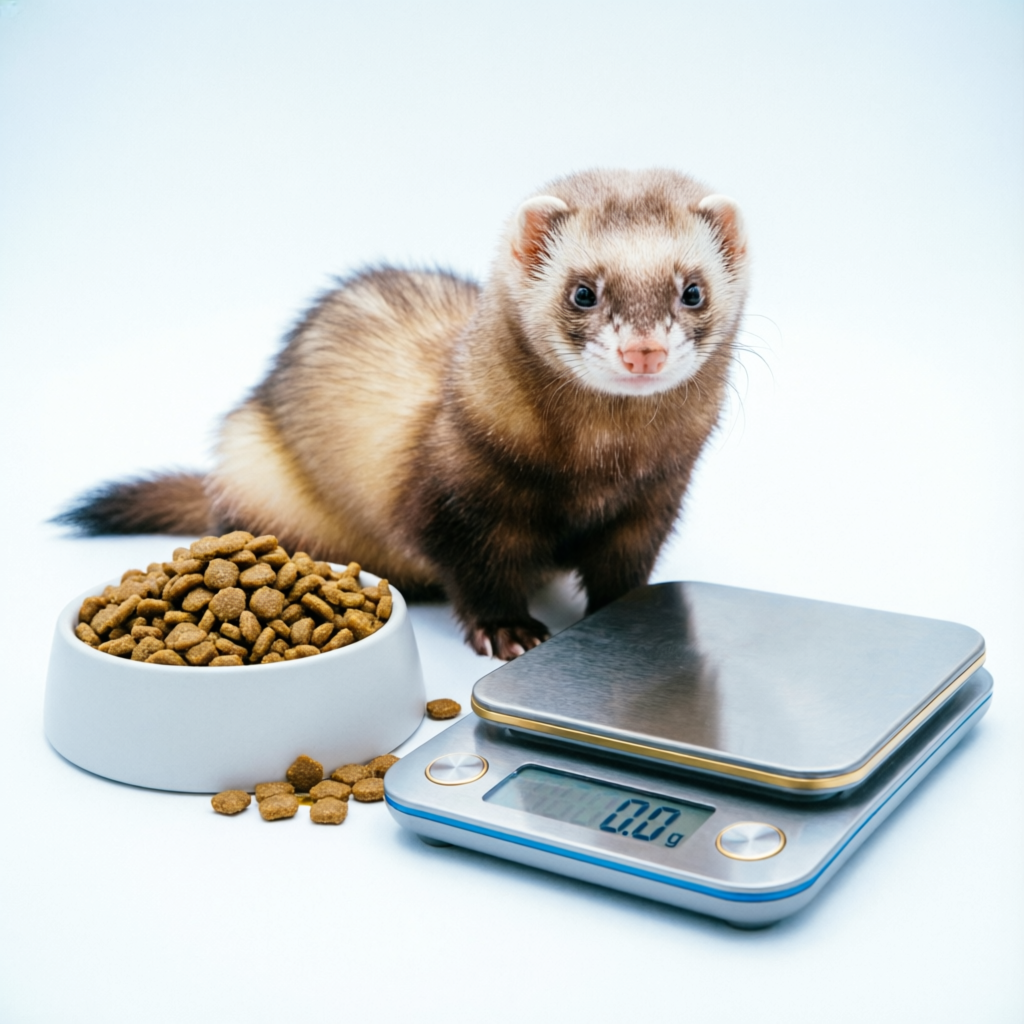
- Accurate Weight: Weigh your ferret regularly using a digital kitchen scale. Even small weight changes can indicate health issues like insulinoma or adrenal disease.
- Correct Gender: Select the appropriate gender (Hob or Jill), as their ideal weight ranges differ significantly.
- Accurate Age: If you don’t know your ferret’s exact age, estimate based on size, behavior, and dental wear. Pet store ferrets are typically 6-12 months old.
- Activity Level: Be honest about how much playtime your ferret gets. Highly active ferrets need significantly more calories.
The Ferret Calorie Calculator will provide specific recommendations for daily calories, kibble portions, meat treats, water intake, and an estimated lifespan based on gender. Use these as guidelines and adjust based on your ferret’s individual needs, activity level, and veterinary advice.
Frequently Asked Questions
Adult ferrets typically need 200-300 kcal per day, depending on their weight, age, and activity level. Use the Ferret Calorie Calculator to get the exact number for your specific pet.
Adult ferrets typically eat 1/4 to 1/2 cup of high-quality, grain-free kibble per day, plus 1-2 oz of raw meat or high-protein treats. Use the Ferret Calorie Calculator to get exact portions based on your pet’s weight and life stage.
NO. Ferrets are obligate carnivores and cannot digest fiber, complex carbohydrates, or sugars. Feeding them fruits or vegetables can cause severe gastrointestinal blockages and significantly increases the risk of insulinoma.
The best diet is either a high-quality, grain-free kibble (with the first 5 ingredients being meat/meat meal, 30-40% protein, 15-20% fat, <3% fiber) or a balanced, commercially prepared raw meat diet formulated specifically for ferrets.
Enter your ferret’s weight in grams, gender, age in months, activity level, life stage, and neuter status into the Ferret Calorie Calculator. The tool will provide exact daily calories, food portions, water needs, convert ferret age to human years, and estimate their expected lifespan.
Ferrets sleep 14-18 hours a day, which is completely normal. They are crepuscular, meaning they are most active at dawn and dusk. However, if your ferret is unusually lethargic, difficult to wake, or showing other symptoms like drooling, consult a veterinarian immediately, as this could indicate hypoglycemia.
Ferrets should have a check-up when first acquired, and then annually. Senior ferrets (5+ years) should be seen every 6 months for blood glucose and adrenal health monitoring. Any sign of illness should be treated as an emergency.
Yes. Female ferrets (jills) that do not mate can develop fatal estrogen-induced aplastic anemia. Male ferrets (hobs) are often neutered to reduce odor and aggressive behavior. Discuss the timing of this procedure with your veterinarian, as early neutering is linked to adrenal disease.
The absolute minimum recommended cage size is 36x24x24 inches, but larger, multi-level cages are highly preferred. The enclosure should have solid flooring (not wire) to prevent bumblefoot, and plenty of hammocks and hiding spots.
Hair loss can be caused by normal seasonal shedding, but it is also a primary symptom of adrenal disease, especially if accompanied by itching or an enlarged vulva in females. Consult a veterinarian immediately for a proper diagnosis.
Conclusion: Optimize Your Pet’s Diet Today
Providing the right nutrition is the single most important thing you can do for your ferret’s health and longevity. By using our free Ferret Calorie Calculator, you can ensure your pet receives the perfect balance of high-quality animal protein and fat every single day, while strictly avoiding harmful carbohydrates. Whether you are a first-time ferret owner or a seasoned enthusiast, the Ferret Calorie Calculator takes the guesswork out of feeding and helps prevent common dietary issues that shorten your pet’s life. Bookmark this page and use the Ferret Calorie Calculator regularly as your pet grows and their needs change. For authoritative ferret care guidelines and welfare information, visit ASPCA Ferret Care and PDSA Ferret Care. Always consult with a veterinarian who specializes in exotic animals for personalized advice regarding your ferret’s health and nutrition.